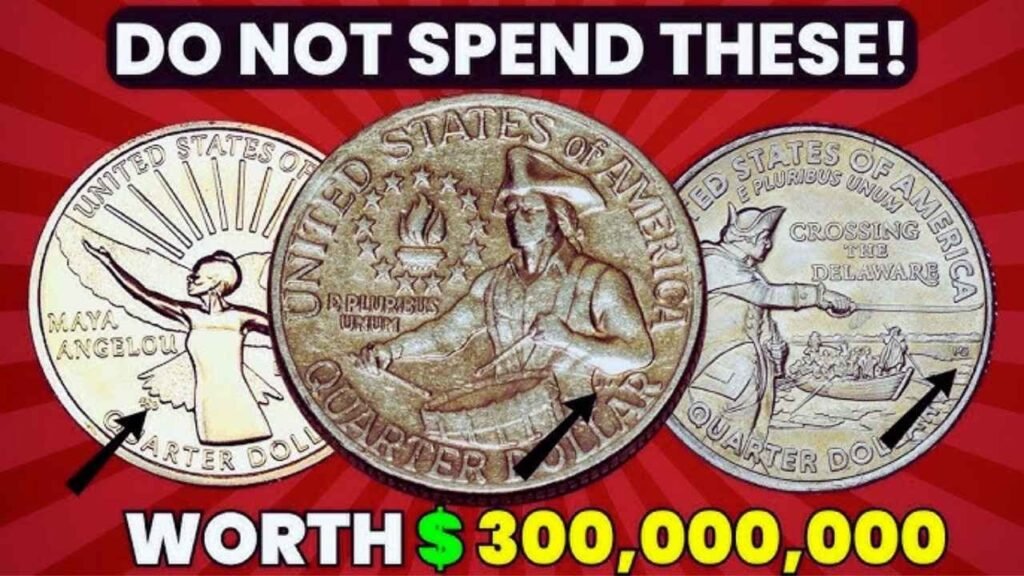
A handful of U.S. state quarters are quietly turning into serious collector treasures. Some are rare because of printing mistakes, limited releases, or design oddities that slipped past quality control. In 2026, these coins could be worth far more than 25 cents — and some might already be sitting in spare change jars, car cupholders, or yes, even pockets.
A New Wave of Pocket Change Value
The state quarter program ran from 1999 to 2008, producing billions of coins. Most are still common, but a tiny fraction emerged with quirks that collectors hunt aggressively. Unlike gold or silver coins, these quarters aren’t valuable for metal content — they’re valuable for rarity and demand, especially the ones tied to minting errors that can’t be recreated.
How Errors Created Modern Collectibles
Minting mistakes are one of the biggest reasons a quarter becomes rare. Sometimes a die cracks, a letter goes missing, a planchet gets stamped twice, or the wrong metal blank sneaks into production. When those flawed coins make it into circulation, the clock starts ticking. Every year more get lost, worn down, or damaged, making surviving pieces even more valuable.
What Collectors Look for in 2026
Coin buyers in 2026 are paying premium prices for quarters that show clean, identifiable traits. Collectors want coins that can be verified, graded, and preserved. The better the condition, the stronger the price. Even coins that show small but clear errors can generate major interest if the story behind them checks out.
The 10 State Quarters With the Most Buzz
Minting errors and circulation rarities are driving the demand, but not all errors are created equal. Here are the types of quarters gaining momentum in 2026:
High-interest categories include:
- Missing letters or partial inscriptions
- Double-die or overlapping images
- Off-center or uneven stamps
- Wrong metal or mismatched blanks
- Die cracks that alter the design
Top Error Traits Collectors Are Paying For
Quarters with missing state names or incomplete motto engravings stand out in the market because the flaw is instantly recognizable. Coins that appear to have double outlines or shadowed images from a double-die stamp are also drawing top interest. Off-center strikes that visibly shift the state design while keeping the date intact are considered premium-grade finds. The most dramatic examples involve quarters struck on incorrect metal blanks, making them heavier, lighter, or discolored compared to standard issues. Finally, quarters with die cracks that slice through key parts of the artwork without erasing the date are becoming modern collector centerpieces.
What to Check at Home or in Spare Change
Most rare state quarters still surface through circulation. Many people assume rarity means a coin never entered public hands, but some of the most valuable ones did. Look for clean edges, legible dates, and any strange doubling, fading, or missing characters. If something looks unusual, collectors want to see it.
Where They Naturally Add the Most Value
The most sought-after quarters in 2026 share similar origin stories: small production batches or undetected die errors that reached circulation. They’re prized not for perfection, but for being different in ways that are easy to confirm.
Quick Pocket-Check Guide
Signs your quarter may be rare:
- Letters look doubled or layered
- Part of the state name or motto is missing
- Design seems stamped twice or misaligned
- Coin color or weight looks off
- Artwork is shifted but the date is clear
The Role of Grading in 2026
Third-party grading is shaping the 2026 coin economy. Buyers pay the most for coins that can be authenticated and scored for condition. Even if a quarter has a rare error, a heavily damaged version will never pull the same price as one preserved well.
Market Momentum and What It Means
The excitement around rare quarters is growing, fueled by online auctions, grading services, and collector communities expanding faster than ever. The appeal is simple: people love the idea that everyday money could secretly be worth more.
Final Thoughts
Most state quarters are still just quarters, but the rare ones are getting rarer. The collector market in 2026 isn’t about hype — it’s about identifiable scarcity, preserved condition, and rising demand for modern U.S. minting anomalies. If you enjoy checking spare change, this might be the most interesting year yet.
FAQs
1. Are state quarters still being found in circulation in 2026?
Yes. Many rare ones originally entered circulation and can still show up in everyday change.
2. What makes a quarter valuable if it’s not silver or gold?
Rarity, minting mistakes, and collector demand — not metal content — drive their value.
3. Should I clean a quarter if I think it’s rare?
No. Cleaning can damage the surface and lower its appeal to collectors.
4. Does condition matter more than the error?
Both matter, but coins in better condition almost always pull higher prices.
5. How do I know if a coin error is legitimate?
Collectors rely on visible, verifiable traits and often confirm value through professional grading.