A single penny has sparked one of the most obsessive treasure hunts in American coin history. Collectors, historians, and everyday searchers are chasing a myth wrapped in copper and curiosity. The story isn’t just about money, it’s about legacy, rarity, and the thrill of finding the impossible.
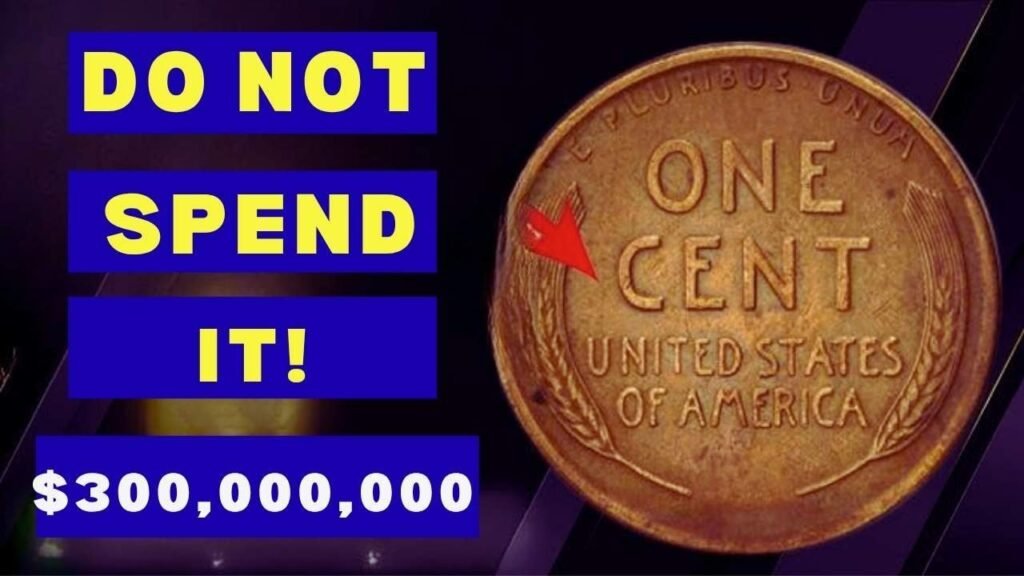
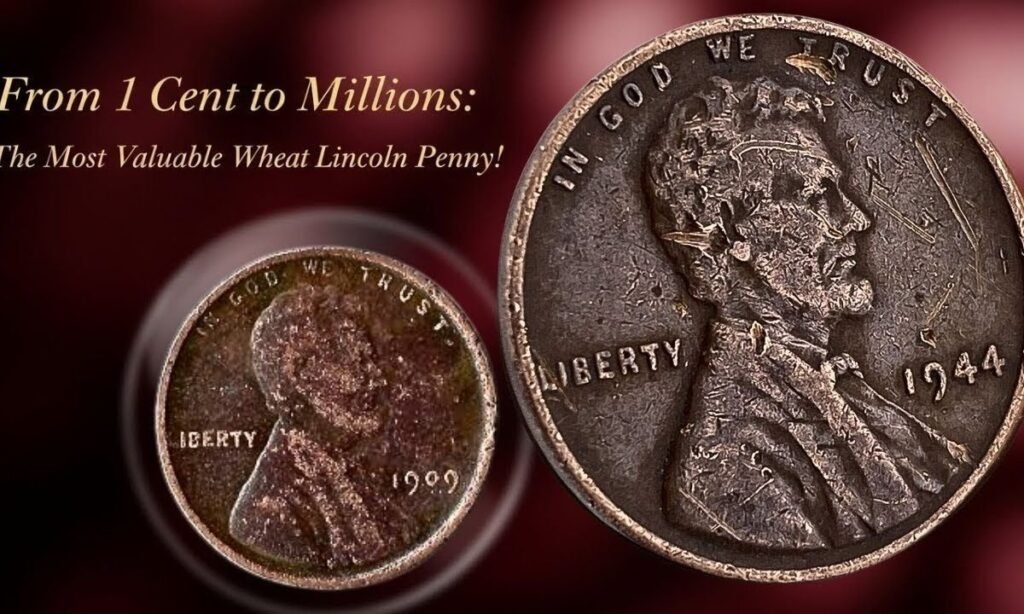
The penny at the center of the hunt is the Lincoln Wheat Cent, first introduced in 1909. The coin became famous for its two wheat stalks on the reverse side, a design that stayed in production until 1958. Millions were minted, passed around, lost in drawers, and buried in circulation, but only a tiny fraction ever gained serious value. Somewhere in the collector universe, the idea of a “1.9 million” Lincoln Wheat penny began circulating, fueled by misread valuations, whispered auction lore, and the internet’s ability to amplify a legend into a quest.
How the Legend Took Shape
The belief that a Lincoln Wheat penny could reach 1.9 million dollars didn’t originate from a specific mint announcement or official classification. Instead, it grew out of fragmented stories about high-value pennies sold at auctions, especially those with mint errors, near-perfect grading, or historically significant anomalies. Over decades, a few sales crossed into life-changing territory, but none were ever labeled as the “1.9 million coin” by a governing body. Still, the number stuck. It became a shorthand dream figure, a peak value collectors hoped one day a specimen might achieve. Legends in numismatics often evolve this way — part fact, part exaggeration, part hope.
Why Collectors Won’t Let It Go
Coin hunting has always had a romantic side. The 1.9 million Lincoln Wheat penny symbolizes that romance more than any documented reality. For searchers, the value represents the upper boundary of possibility, not a confirmed price. Many serious collectors continue the hunt not because the number is guaranteed, but because the Wheat penny series contains genuine million-dollar-level rarities in exceptional cases. The legend has essentially become a motivational myth, keeping interest alive in a coin that was once ordinary pocket change. The quest has boosted penny-checking events, community hunts, and renewed enthusiasm for roll searching and bank-wrapped penny boxes.
What Hunters Are Really Looking For
While the 1.9 million dollar tag is symbolic, the actual target coins are very real. Experienced coin hunters are sifting through Wheat pennies for traits that could justify extreme valuations. These traits include error strikes, doubled dies, off-center prints, wrong-planchet minting, and coins graded at the highest known levels. The search is less about one specific coin and more about uncovering the next headline-level discovery. Wheat penny searches have uncovered rare variants before, and hunters believe it could happen again. The odds are microscopic, but not zero. That’s enough to keep the chase going.
Where the Search Is Happening
The hunt for the legendary 1.9 million penny is taking place everywhere — estate sales, attic boxes, inherited jars, flea markets, coin shows, and sealed bank rolls. Small towns have hosted penny-sorting gatherings, and coin shops report an increase in people bringing in Wheat pennies for evaluation. The Wheat cent series is now being examined with the same excitement once reserved for gold strikes and rare stamp discoveries. Coin dealers have described the trend as one of the biggest grassroots coin-searching surges in recent years, proving that legends can be just as powerful as confirmed auction results.
The Quest Playbook: How Hunters Search Smarter
The renewed surge of interest has produced a more organized approach to penny searching. Instead of random sifting, collectors are building routines and shared strategies. Popular search methods include roll-sorting, inherited-coin tracking, and mint-year targeting.
Tools and techniques being used today include:
- Digital magnification apps for detail review
- Coin-weighing to detect wrong planchet strikes
- Notebook logs to track searched batches
- Professional grading submissions for promising finds
One of the most popular parts of the playbook is a quick physical screening process collectors call the “pass-fail first look” where coins are separated into immediate reject piles and further-review stacks.
Separating Fact From the Big Number
The 1.9 million dollar valuation attached to the quest has never been confirmed as a guaranteed price for a single Wheat penny, but the pursuit is rooted in a very real market where extraordinary specimens can reach extraordinary prices. The number serves as a rallying symbol — the Everest of penny dreams — but the actual journey is grounded in history, grading science, and the universal appeal of treasure hunting.
Closing Thoughts
The Lincoln Wheat penny may have been born as a humble coin, but it now carries the weight of one of the most compelling collector legends in modern numismatics. The 1.9 million dollar number keeps the story alive, but the real value lies in the excitement, education, and shared hope that the next extraordinary penny is still out there waiting to be found