Imagine getting change at a gas station and finding a $2 bill that could make you a millionaire. A rare $2 bill, known as the 1890 Grand Watermelon Note, sold for a staggering $2.349 million at auction. These bills are so special that collectors go wild for them, and some could still be hiding in wallets, cash registers, or old drawers across the country. Printed in the late 1800s, these $2 bills are a piece of American history with a unique look that makes them stand out. While most $2 bills are worth just their face value, this rare version could change your life.
A Bill with a Fancy Nickname
The 1890 Grand Watermelon Note got its name because of its eye-catching design. The back of the bill has large, green zeros that look like watermelons, making it one of the most famous U.S. currency notes. Only a few hundred were printed, and even fewer are left today, which is why collectors pay millions for them. Back in the 1890s, $2 was a lot of money, and these bills were often saved as keepsakes, which means some might still be tucked away in old collections or forgotten stashes.
How to Spot the Million-Dollar Bill
Think you might have one in your change? Here’s what to look for:
- Year: Check for 1890. This is the key year for the Grand Watermelon Note.
- Color: Look for green zeros on the back that resemble watermelons.
- Seal: The bill has a red Treasury seal, unlike modern $2 bills.
- Condition: Bills in good shape, with no tears or heavy wear, are worth more.
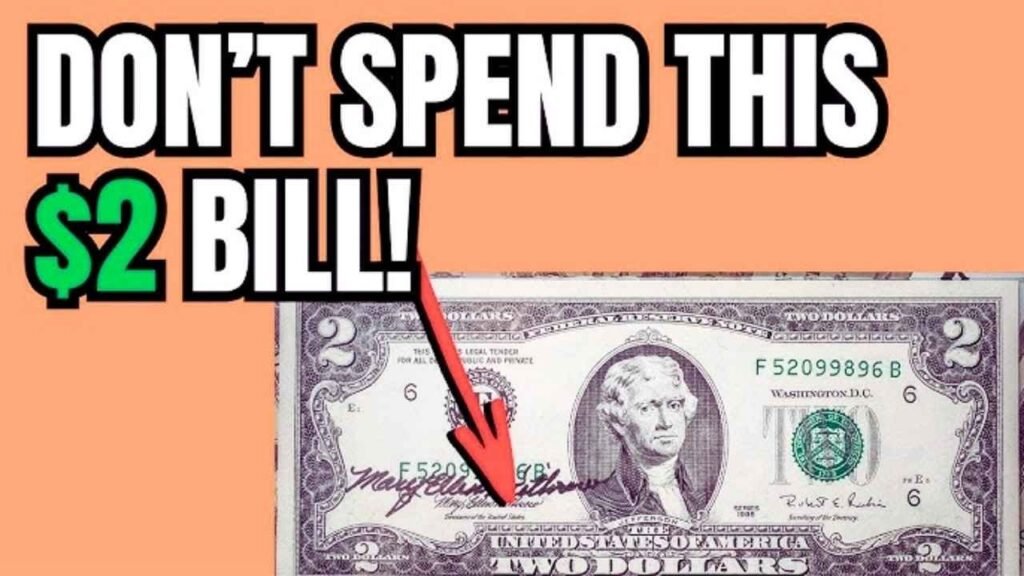
If you find a $2 bill with these features, don’t spend it! It could be worth a fortune. Take it to a currency expert to confirm its authenticity.
| Feature | 1890 Grand Watermelon | Modern $2 Bill |
|---|---|---|
| Year | 1890 | 1976 or later |
| Back Design | Green watermelon zeros | Simple design |
| Treasury Seal | Red | Green |
| Value (Good Condition) | Up to $2.349M | $2 |
Could It Be in Your Change?
It sounds crazy, but it’s possible to find a rare $2 bill like this in everyday places. People often keep $2 bills because they’re unusual, and some old ones get mixed in with modern cash. Gas stations, small shops, or even your grandma’s old purse could hold one. Collectors say that rare bills sometimes show up in estate sales, bank rolls, or even as tips. The idea that a $2 bill from a quick stop at the gas station could be worth millions keeps treasure hunters on the lookout.
What to Do If You Find One
If you think you’ve got a Grand Watermelon Note, handle it carefully. Don’t fold it or clean it, as that can lower its value. Take it to a professional currency dealer or a grading service like PCGS or PMG to verify it. They’ll check if it’s real and tell you its condition, which affects its price. A bill in great shape could fetch hundreds of thousands, or even millions, at auction. You could also contact a reputable auction house to sell it to collectors.
Start Checking Your Change
The 1890 Grand Watermelon Note is a tiny piece of history that could make you rich. Next time you get a $2 bill in your change, take a closer look. It might just be the ticket to a life-changing payday. So, check your wallet, dig through that jar of coins and bills, or ask your family if they have any old $2 bills. You never know when a quick stop at the gas station might hand you a $2.3 million treasure.